Meloni blitz in Gulf to lock energy supplies amid Hormuz crisis
The premier became the first EU, G20 and NATO leader to visit the Gulf since the conflict began, meeting Saudi, Qatari and Emirati leaders to secure oil and gas flows. Italy is also pressing the EU for a windfall tax on energy firms and has extended fuel excise cuts to cushion households and businesses.
Apr 5, 2026, 9:01 AM EDT
Why it matters:
- The Gulf is a linchpin for Italy’s oil and gas, and any disruption at the Strait of Hormuz can spike prices and threaten supplies.
- Securing reliable flows and stabilizing costs is vital for Italy’s economy and for keeping inflation in check.
Driving the news:
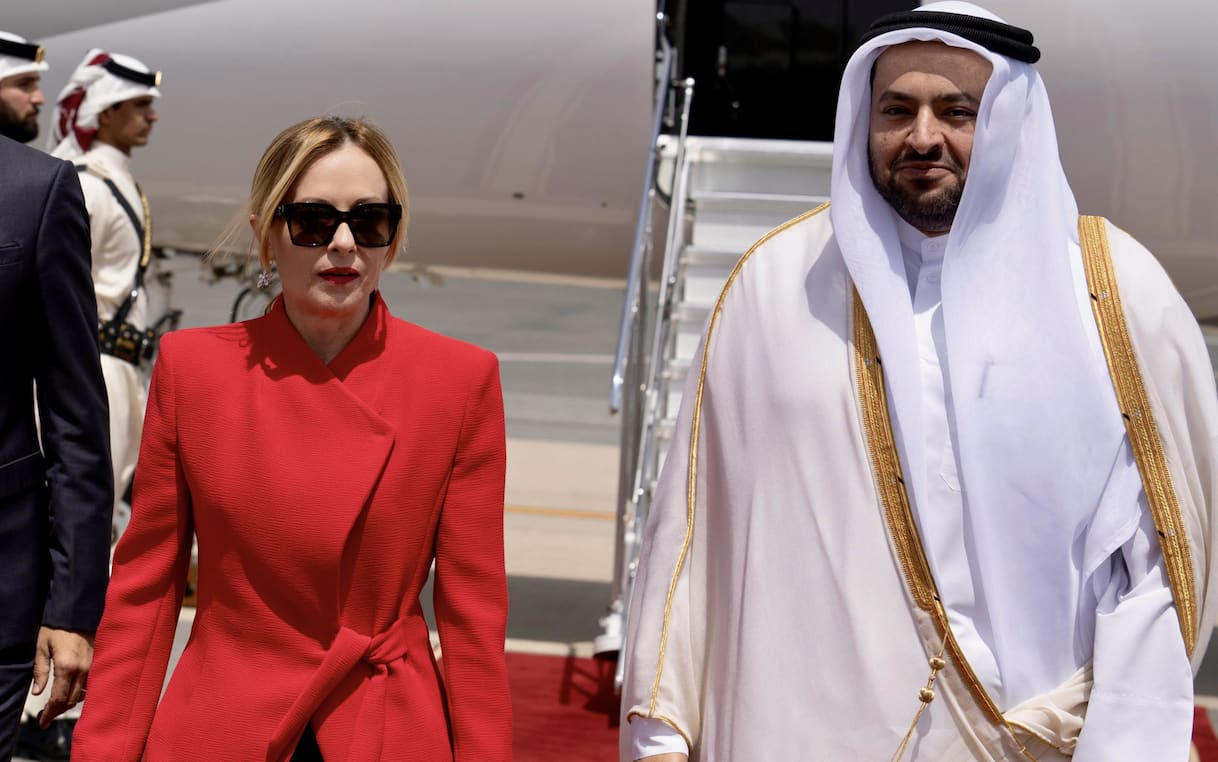
- Giorgia Meloni made a surprise two-day trip to the Gulf, landing in Jeddah and meeting leaders in Saudi Arabia, Qatar and the UAE.
- She became the first EU, G20 and NATO leader to visit the region since the conflict began, underscoring the urgency of energy security.
- The mission focused on safeguarding oil and gas supplies, supporting navigation through the Strait of Hormuz, and deepening strategic cooperation.
State of play:
- Italy relies on the Gulf for about 15% of its oil and roughly 10% of its gas from Qatar, making the region a critical supply source.
- The government extended fuel excise cuts through May 1 to blunt pump-price spikes, while also seeking EU action on energy windfalls.
- Five EU finance ministers, including Italy’s Giancarlo Giorgetti, asked for a new extraordinary tax on energy companies’ excess profits.
The big picture:
- The conflict has tightened global energy markets and raised the risk of disruptions at key chokepoints like Hormuz.
- Italy is diversifying supply sources and strengthening ties with Gulf partners to reduce exposure to geopolitical shocks.
- The trip also signals Italy’s willingness to engage diplomatically while protecting its economic interests.
By the numbers:
- 15% of Italy’s oil comes from the Gulf region.
- ~10% of Italy’s gas is supplied by Qatar.
- 2 days for the Gulf blitz, with stops in Saudi Arabia, Qatar and the UAE.
- 15% of global energy transit historically passed through the Strait of Hormuz before the crisis.
What they're saying:
- “When instability grows in the Gulf, energy costs, businesses, jobs and household purchasing power suffer,” Meloni said, adding that the Gulf is a key player in global energy markets.
- “The Gulf is a fundamental actor in the global energy market; if production contracts or stops, prices rise for everyone,” she said.
- “We are here to defend Italy, Italian jobs and the future of our nation,” Meloni said, framing the trip as a concrete defense of national interests.
The risk:
- A prolonged disruption at Hormuz could push up energy prices and strain Italy’s budget and inflation outlook.
- Any escalation in the Gulf could threaten shipping routes and complicate supply contracts.
What to watch:
- EU decisions on a windfall tax for energy firms and any coordinated measures to stabilize prices.
- Further diplomatic efforts to keep Hormuz open and de-escalate the conflict.
- New bilateral deals or investment commitments with Gulf partners on energy and infrastructure.
The bottom line:
- Meloni’s Gulf blitz is a high-stakes push to lock in energy supplies and shield Italy from a widening regional crisis.