Houthis fire missile at Israel; interception widens Iran-led conflict
Yemen’s Iran-aligned Houthi rebels launched a missile at southern Israel — the first since the war began on Feb. 28 — and said the strike was coordinated with Iran and Hezbollah. The projectile was intercepted with no reported damage, but the move opens a new front that threatens Red Sea navigation, regional energy routes and the risk of broader escalation.
Apr 7, 2026, 12:15 PM EDT
Why it matters:
- The Houthi strike marks the war's geographic expansion beyond Iran, Israel and Lebanon into Yemen, increasing the number of active fronts and the risk to commercial shipping.
- Even an intercepted attack raises insurance and logistics costs for Red Sea routes and further strains global energy markets.
Driving the news:
- Houthi fighters in Yemen launched a missile at southern Israel — the group's first direct strike since the conflict began on Feb. 28 — and Israel intercepted it with no reported damage.
- Houthi military spokesman Yahya Sarea said the strikes targeted "sensitive military objectives" in southern Israel and were coordinated with what he described as ongoing Iranian and Hezbollah operations in Lebanon.
- The internationally recognized Yemeni government condemned the Houthis' entry into the war as "reckless" and warned it could further destabilize the region.
State of play:
- Iran has sustained waves of missile and drone strikes against Israel and targets in Gulf states, while Israel has carried out bombing raids on Iranian facilities, including naval industry and other weapons sites, according to official statements and reporting.
- The US and allied strikes have hit sites Tehran deems strategic: Washington reported attacks on Jark island, a staging point for Iranian oil exports, and Iran has attempted longer-range launches reported toward Diego Garcia, signaling expanded reach and countermeasures.
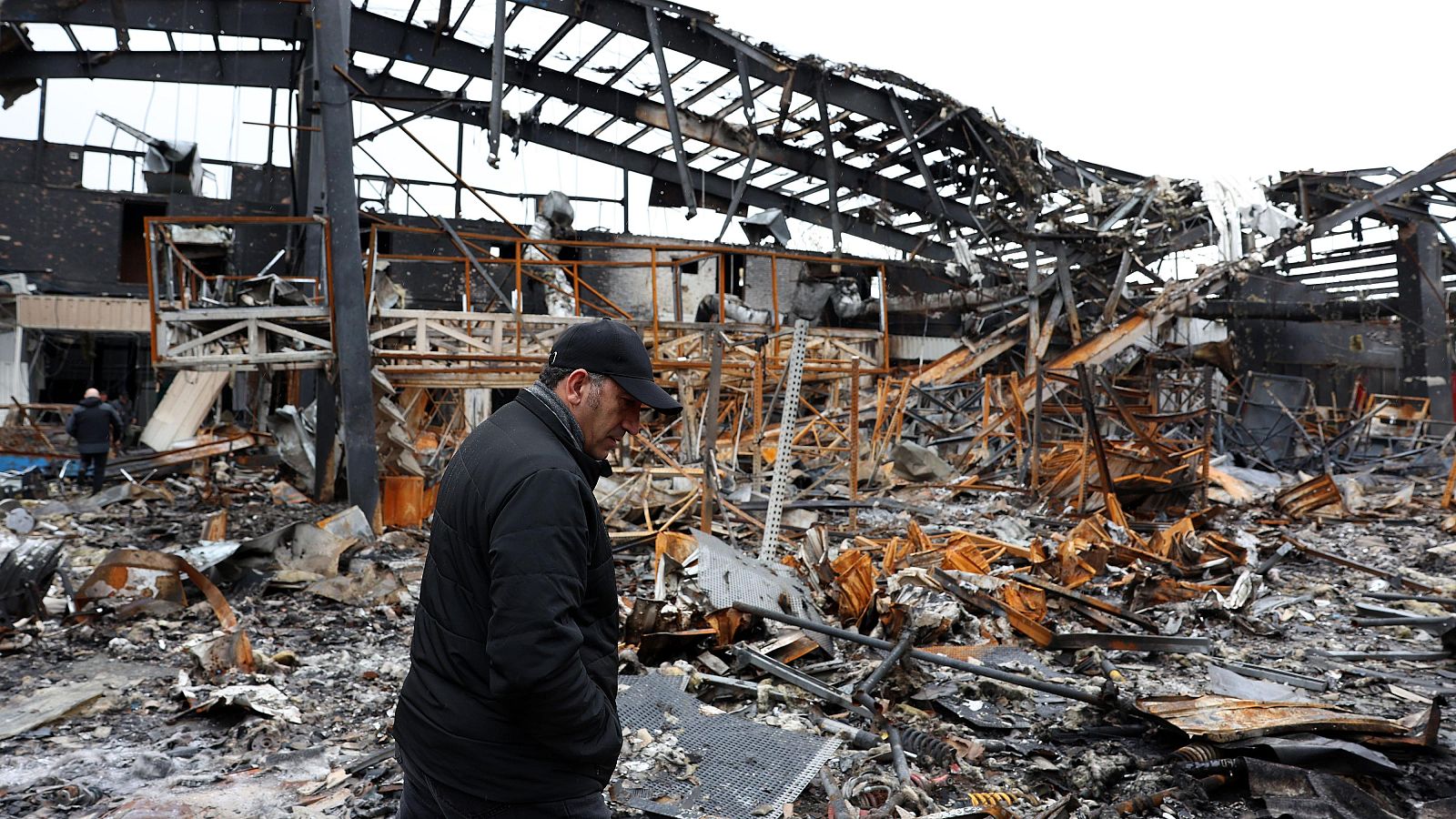
- Casualties and infrastructure damage are mounting across multiple fronts; Lebanese officials report more than 1,100 dead and thousands wounded in weeks of fighting that now includes new local strikes and reprisals.
The big picture:
- The conflict now reads as a regional "axis of resistance" fight: Iran-backed groups (Houthis, Hezbollah and allied militias) are striking beyond Iranian territory to pressure Israel and its partners.
- Attacks on energy and transport infrastructure — pipelines, gas fields and bridges — amplify economic fallout and have already pushed oil prices higher, tightening global markets.
The risk:
- Opening a Yemen front increases the chance of maritime attacks or misfires in the Red Sea and Strait of Hormuz, threatening a key artery for global trade and energy shipments.
- Further escalation could pull Gulf states, Western forces or regional proxies into direct confrontation, raising the odds of strikes on critical infrastructure with wider civilian and economic consequences.
The bottom line:
- The intercepted Houthi missile is a clear signal that the Iran-Israel war is widening geographically and materially, raising stakes for shipping, energy markets and regional stability.