Trump vows 2–3 weeks of “extremely hard” strikes on Iran
In a primetime address and on social media, President Trump threatened sustained attacks on Iran — explicitly naming bridges and the power grid — and posted video he said shows a major Iranian bridge destroyed. The threats come as Tehran says it won’t hold direct talks even while it reviews a U.S. proposal, raising the risk of wider regional escalation and oil-market shocks.
Apr 2, 2026, 5:09 PM EDT
Why it matters:
- Trump’s public threats to keep striking Iran for weeks — and to target civilian infrastructure like power plants and bridges — raise the odds of wider regional escalation, disrupted shipping through the Strait of Hormuz and renewed spikes in global oil prices.
Driving the news:
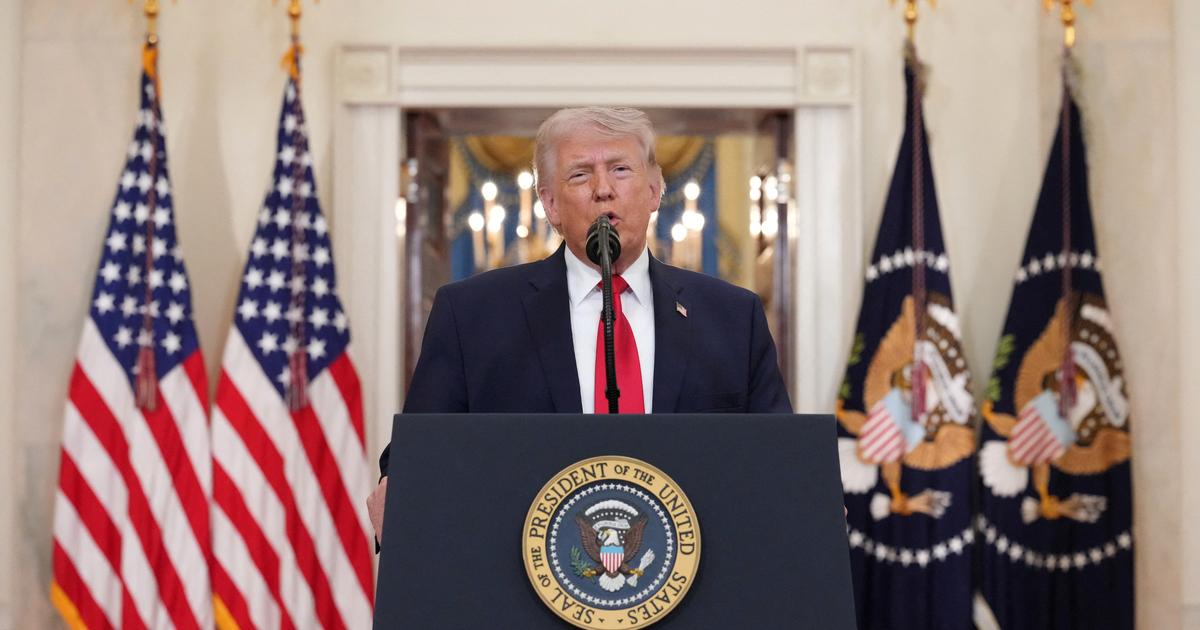
- In a televised address Trump said the U.S. will “strike extremely hard” at Iran over the next two to three weeks and warned of attacks on the country’s electricity network if no deal is reached. - He shared a social‑media video showing the collapse of a large bridge he said had been destroyed, and urged Tehran to “make a deal before it’s too late.” State and international outlets later identified the structure as the B1 bridge near Karaj.
What they're saying:
- Iran’s foreign minister, Abbas Araghchi, said Tehran has no intention of holding direct talks with the U.S., though top Iranian authorities are reviewing an American proposal to end the war. - The White House says negotiations are ongoing from Washington’s side, while Iran denies direct negotiations — a contradiction that complicates any immediate ceasefire.
The latest:
- Israeli forces reported they intercepted multiple missiles launched from Iran after Trump’s remarks, with air‑raid sirens sounding across northern Israel; no casualties were initially reported. - Markets reacted: Brent crude jumped above $105 a barrel after Trump’s speech and risk‑off moves hit Asian equity markets.
The risk:
- Targeting power or transport infrastructure would widen civilian harm and could provoke retaliatory strikes from Iran or its regional proxies, increasing the chance of a prolonged conflict. - The Strait of Hormuz remains a flashpoint: continued closure or attacks on shipping would magnify energy‑market volatility and global economic fallout.
The bottom line:
- Trump’s intensified threats and Tehran’s refusal of direct talks leave diplomacy fragile and the region at heightened risk of escalation, with immediate consequences for oil markets and maritime security.