Italy denies US use of Sigonella after missing prior authorization
Rome — via Defense Minister Guido Crosetto — blocked a planned stop at Naval Air Station Sigonella for US aircraft that were already en route to the Middle East. The move invokes long-standing basing agreements, recalls the 1985 Sigonella standoff, and could force parliamentary sign-off on future non‑routine US operations from Italian soil.
Mar 31, 2026, 9:23 AM EDT
Why it matters:
- Italy's decision asserts national control over foreign use of its military infrastructure and could reshape how U.S. forces route operations through the Mediterranean and to the Middle East.
Driving the news:
- Defense Minister Guido Crosetto refused authorization for U.S. aircraft to land at Sigonella after Italian commanders concluded the flights were not routine and lacked prior consultation. - Chief of Defence Staff Luciano Portolano, on Crosetto's instruction, informed the U.S. command that the planes could not land because they had not been pre‑authorized.
The backdrop:
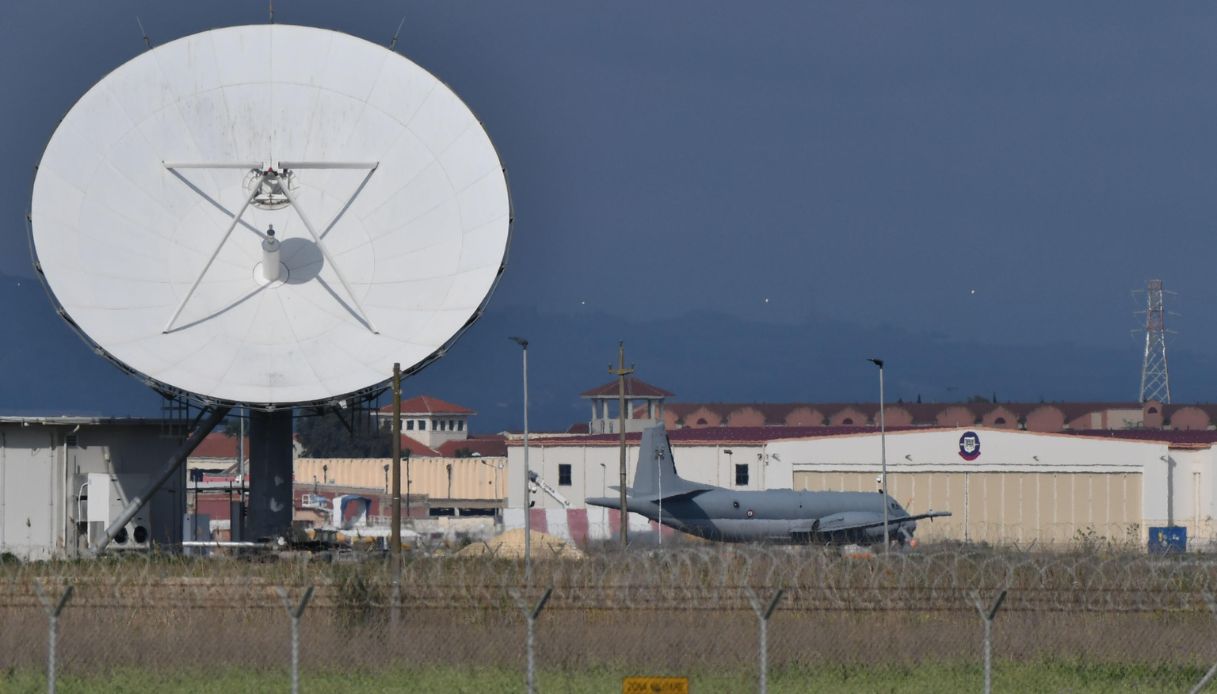
- Sigonella is a strategic U.S.-Italy hub for Mediterranean operations and logistics, hosting surveillance aircraft, drones and naval support for the Sixth Fleet. - The site is infamous for the 1985 Achille Lauro crisis, when U.S. fighters forced a jet to Sigonella and a tense stand‑off between American forces and Italian authorities followed. That episode remains a reference point for Italian sovereignty over bases. - Use of U.S. forces on Italian soil is governed by NATO SOFA and bilateral agreements that distinguish "routine/logistic" movements from operations requiring explicit Italian approval.
State of play:
- Palazzo Chigi insists the decision follows existing treaties, does not signal a breakdown in ties with Washington, and that bases remain operational. - Opposition and some MPs have demanded parliamentary briefings; Defence officials say future non‑routine requests will be examined case by case and routed through Parliament when necessary. - Security authorities have increased vigilance around U.S.-linked sites amid the dispute.
What to watch:
- Parliamentary hearings and any formal requests from U.S. commanders for retroactive authorization or negotiated access. - NATO-level consultations and whether the U.S. alters flight routings or logistics plans for Mediterranean operations.
The bottom line:
- Rome has reasserted procedural control over Sigonella, turning a routine basing question into a potential diplomatic and operational test for Italy–U.S. military cooperation.