Trump pauses strikes for 5 days; Iran says it’s fake news
A reported U.S. pause and possible deal with Tehran jolted markets and shifted the war’s tempo, but Tehran denied the talks and Israel kept striking. The U.S. is weighing a new Iranian figure as a potential interlocutor and is moving more Marines to the region as it pushes for reopening the Strait of Hormuz.
Apr 3, 2026, 7:58 PM EDT
Why it matters: A potential pause and deal could ease energy shocks and regional escalation — but Tehran’s denial and continued strikes show the war is still fluid and dangerous.
Driving the news:
- Donald Trump said the U.S. postponed attacks for five days after two days of “very good” talks with Iran, and that the Strait of Hormuz would reopen soon if an agreement is reached.
- Iran’s leadership called the claim “fake news” intended to manipulate markets.
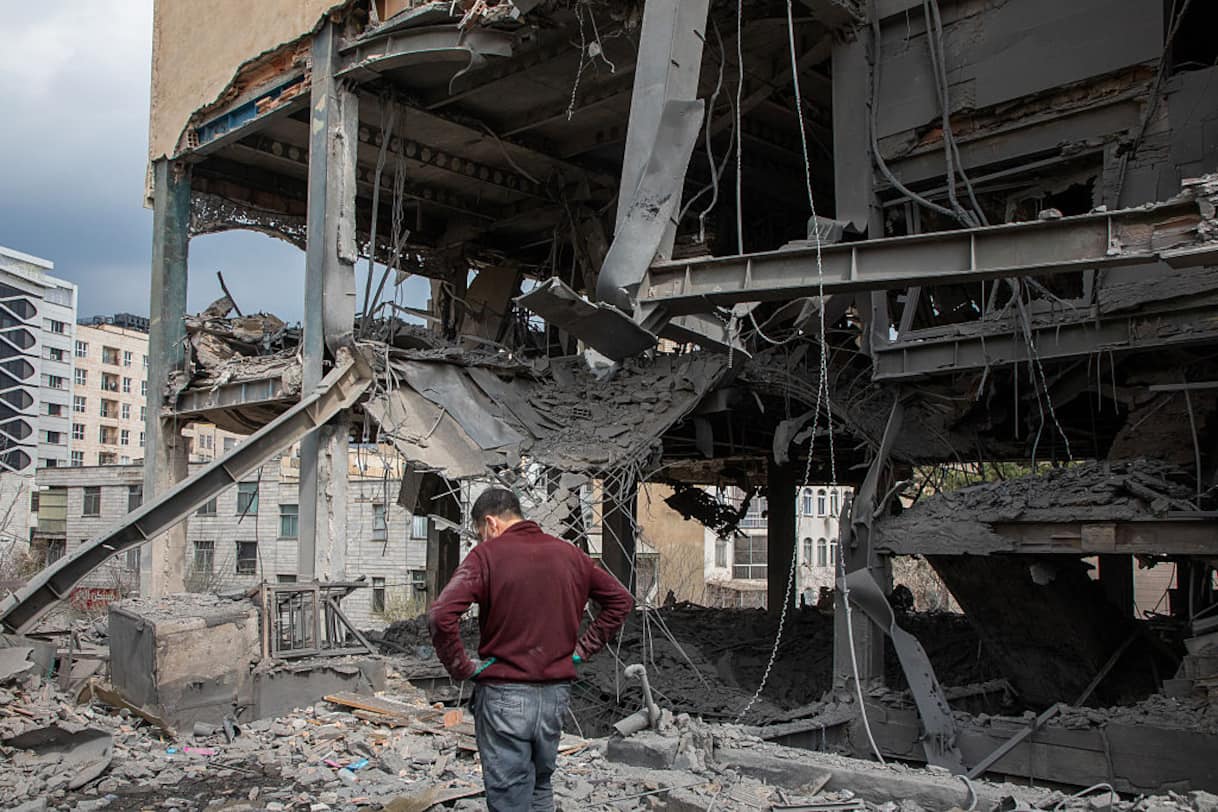
- Israel continued strikes on Tehran’s military sites after Trump’s announcement, and intercepted missiles launched from Iran toward southern Israel.
State of play:
- Benjamin Netanyahu said he spoke with Trump and that the U.S. president believes leverage from U.S. and IDF results could enable an agreement that protects vital interests.
- The U.S. is evaluating Mohammad Bagher Ghalibaf, speaker of Iran’s parliament, as a potential interlocutor — and even a future leader — though no decision has been made.
- About 2,200 Marines from the 31st Marine Expeditionary Unit are expected to arrive in the Middle East starting Friday, the same day Trump set as a deadline for reopening the Strait of Hormuz.
- The Pentagon also ordered the 11th Marine Expeditionary Unit to CENTCOM in the coming weeks, with arrival later.
By the numbers:
- WTI fell about 10.3% to $88.1 per barrel after Trump’s remarks, as markets reacted to the reported pause and potential deal.
- The UN says 64 attacks on healthcare facilities in Lebanon have killed 51 and injured 91, according to WHO.
Reality check:
- Iran’s denial and continued Israeli strikes suggest the reported talks are unconfirmed and the conflict remains active.
- The U.S. is weighing a new Iranian figure as a potential interlocutor — and even a future leader — though no decision has been made.
What to watch:
- Whether the U.S. and Iran move from reported talks to a concrete deal and a formal pause in strikes.
- If the Strait of Hormuz reopens and energy markets stabilize.
- The timing and scope of the additional U.S. Marine deployments and any escalation or de-escalation on the ground.
The bottom line: A reported pause and possible deal are shaking markets and strategy — but Tehran’s denial and continued strikes mean the war is still very much in motion.