Iran clamps down as war squeezes economy; Citigroup cuts Boeing target
A month into a US‑Israeli campaign, Tehran has stepped up arrests, executions and street deployments to deter dissent amid fears that war-driven economic collapse will fuel post‑war unrest. At the same time, Wall Street keeps a cautiously positive view of Boeing — Citigroup trimmed its price target to $256 but retained a buy rating, highlighting mixed signals between geopolitical risk and corporate earnings.
Apr 2, 2026, 8:52 PM EDT
Why it matters:
- Tehran's domestic crackdown is meant to prevent a surge of anti‑government protest once wartime economic damage deepens, raising longer‑term political risk inside Iran and for regional stability.
Driving the news:
- Security forces have made arrests and carried out executions since the war began, while the government has massed forces and pro‑regime supporters on city streets. - Authorities have recruited even children to staff checkpoints and patrol public areas to enforce order.
The big picture:
- Officials fear that sustained damage to an already battered economy will spark broader opposition to the ruling system after hostilities subside. - The crackdown is explicitly preemptive: contain dissent now to avoid a post‑war legitimacy crisis.
State of play:
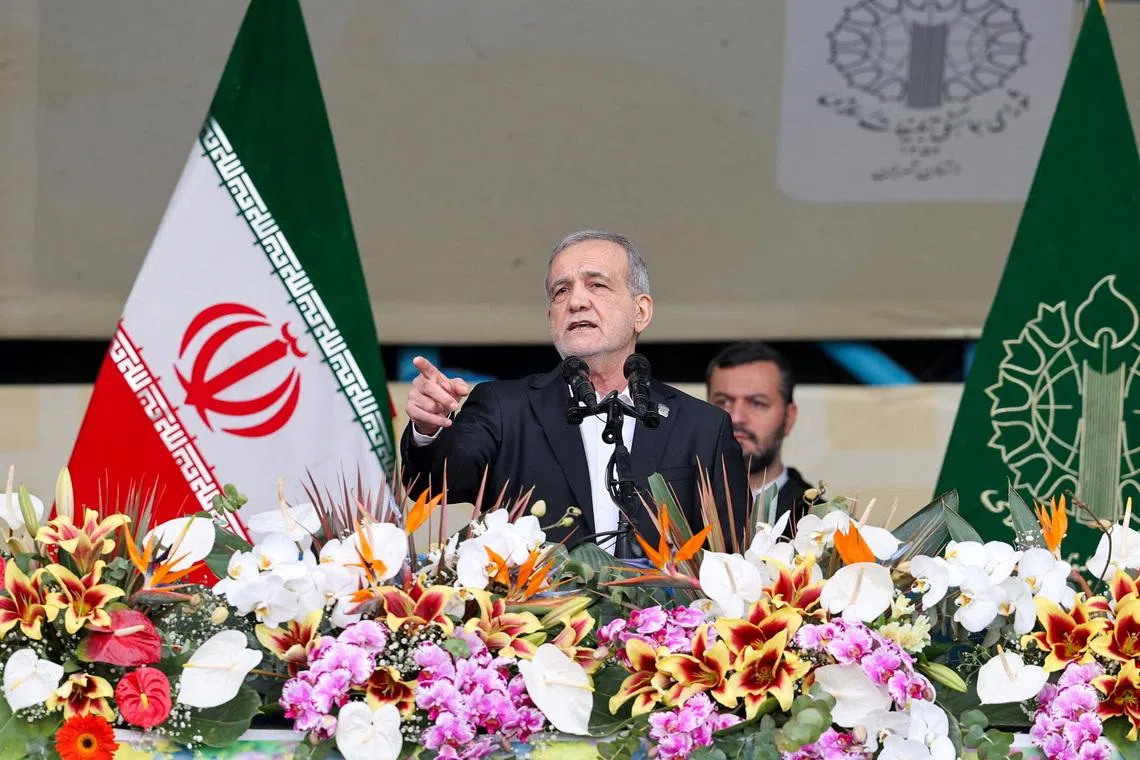
- Senior officials, including the president and foreign minister, have made public street appearances to project control and boost morale among supporters. - Rights groups report at least seven political prisoners were executed during the conflict, and arrests continue.
Between the lines:
- The government is using loyal crowds and public outings as both a show of resilience and a protective shield against targeted strikes. - Heavy deployments, rapid trials and executions raise the bar for citizens to mobilize — many potential protesters now stay home out of fear.
By the numbers:
- Citigroup cut its price target for Boeing from $290 to $256 while keeping a "buy" rating. - Boeing reported quarterly EPS of $9.92 and revenue of $23.95 billion, and its shares traded near $205 on the day of the reports. - Institutional investors own about 64.82% of Boeing’s shares, underscoring broad hedge‑fund and institutional exposure.
What to watch:
- Whether economic pain from sanctions and strikes produces localized protests once immediate wartime pressures ease. - If public appearances by leaders continue or expand as a tactic to deter assassinations and signal control. - Market reactions to further analyst revisions and Boeing’s next earnings cadence, which could shift investor sentiment.
The bottom line:
- Iran is intensifying domestic control to blunt post‑war unrest as economic strain grows, while markets send mixed signals — Citigroup trimmed Boeing's target but corporate earnings remain strong.