Israeli strike targets Iran’s security chief Ali Larijani; fate unclear
Any attack on the Supreme National Security Council head would ripple through Iran’s security apparatus and fragile nuclear diplomacy.
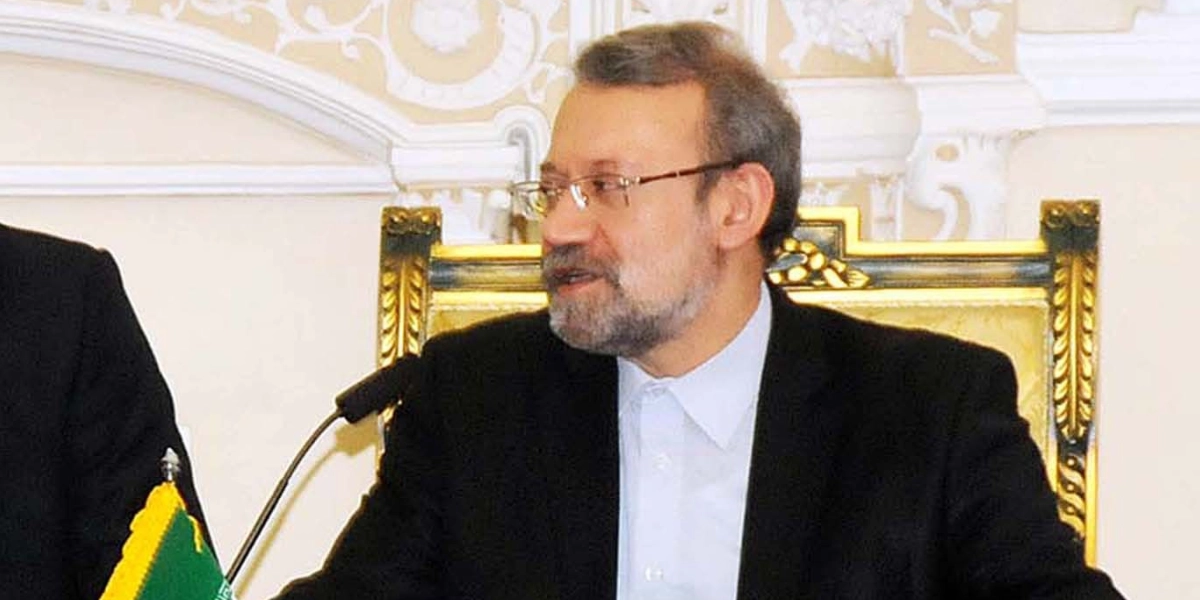
An Israeli military strike targeted Ali Larijani, Iran’s top security official and a central architect of its defense and nuclear policy, according to officials. Larijani’s fate remained unclear following the attack.
Any strike on Larijani, who leads Iran’s Supreme National Security Council, would carry far-reaching implications for Tehran’s internal security management and for stop-start diplomacy with the United States over Iran’s nuclear program. The council coordinates national defense strategies and oversees nuclear policy, placing its chief at the nexus of military, intelligence and diplomatic decision-making.
Larijani, 68, has re-emerged over the past year as a pivotal insider shaping Iran’s posture abroad. He has been a key behind-the-scenes figure as U.S. and Iranian negotiators prepared to meet in Geneva, and he has engaged Gulf states including Oman and Qatar amid efforts to cool regional tensions. At the end of January, he was Tehran’s envoy for talks in Moscow with Russia’s president, underscoring his role in high-level crisis management.
His prominence reflects a long career through the Islamic Republic’s power structure. A veteran of the Islamic Revolutionary Guard Corps during the Iran-Iraq war, Larijani later served as culture minister and spent a decade running state broadcaster IRIB before turning to parliamentary politics. Elected from the clerical city of Qom, he served as speaker of parliament from 2008 to 2020. He previously sat as the supreme leader’s representative on the Supreme National Security Council, later becoming the council’s secretary and Iran’s chief nuclear negotiator from 2005 to 2007.
Larijani has repeatedly sought higher office. He ran for president in 2005 and was later barred from standing in 2021 and 2024. Observers have long described him as a conservative operator with a pragmatic streak, capable of managing hardline red lines while testing diplomatic openings. He backed the 2015 nuclear deal reached with world powers and has argued for confining talks with Washington to the nuclear file while defending uranium enrichment as Iran’s right.
His public rhetoric toward the United States and Israel, however, has often been confrontational. Speaking on Iranian television, he said of the two countries: “They have burned the heart of the Iranian nation, and we in turn will burn their hearts.” On social media he added: “We will fiercely defend our six-thousand-year-old civilization, whatever the cost, and we will make our enemies regret their miscalculation.”
Larijani’s standing at home has also come with scrutiny abroad. He was among Iranian officials sanctioned by the United States in January, with Washington citing responsibility for violently repressing the Iranian people after nationwide protests linked to rising living costs.
The timing of the strike adds to uncertainty inside Iran following the death of Supreme Leader Ali Khamenei on February 28. Iran has no automatic mechanism for succession; the Assembly of Experts formally selects a new leader, but the outcome typically reflects bargaining among clerical authorities, political factions and the security establishment. Larijani’s proximity to the system’s most sensitive bodies has made him a central player in that landscape, even as no single figure clearly dominates the field.
Details of the strike, including the location, casualties and whether Larijani was traveling with aides, were not immediately clear. If confirmed, his removal would complicate ongoing security coordination and could recalibrate Tehran’s approach to nuclear talks and regional de-escalation efforts. For now, officials have provided no public confirmation of his condition, and key questions — from the intended message of the operation to its impact on Iran’s internal power balance — remain unanswered.